h1Cross Stitch Log Book Review for Business Embroidery Use/h1
h2First Impressions: A Detailed Design for Versatile Branding/h2
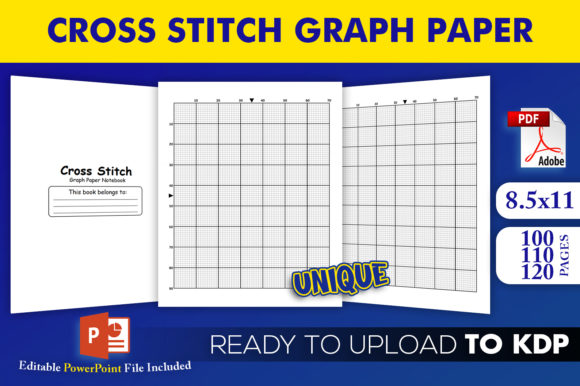
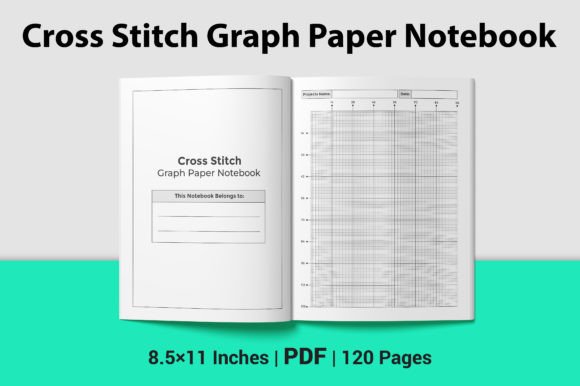
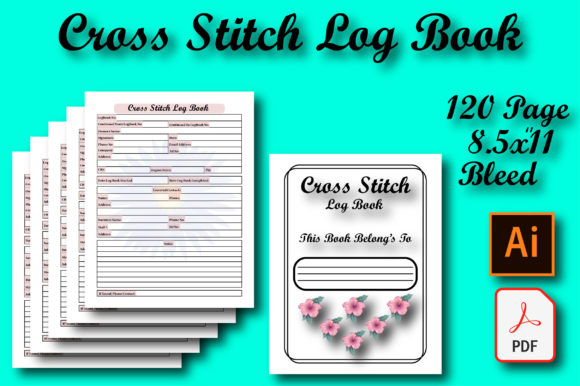
pThe Cross Stitch Log Book immediately strikes me as a well-structured, intricate design suitable for small businesses looking to add a touch of craftsmanship to their merchandise. Its title suggests a focus on record-keeping or journaling themes, which could translate beautifully into embroidered branding for cafes, boutiques, studios, and handmade brands. Based on the product description, it appears to be a ready-to-use digital embroidery file with 100 formatted pages—ideal for KDP interiors and graphic-based merchandise. The emphasis on being "very detailed" hints at a design that leans more toward the decorative and classic side, possibly with a rustic or handmade aesthetic that resonates with small business owners seeking authenticity./p
h2Real-World Applications: From Embroidered Patches to Branded Merchandise/h2
pAs an embroidery designer evaluating Cross Stitch Log Book for business use, I see several practical applications. This design could serve as a standalone embroidered patch or be integrated into uniforms, caps, aprons, and tote bags. Given its format and description, it's likely scalable for both small and medium-sized embroidery projects. For a local bakery, it could be stitched onto aprons or staff caps. For an Etsy seller, it might serve as a branded accent on handmade product packaging or as a sewn-in label for custom goods./p
pThe design could also work well as a chest logo accent, especially for creative studios or boutique shops aiming for a subtle yet professional look. Since it's marketed for KDP interiors and digital printing, it may also be used in printable mockups for client presentations or commercial embroidery projects that require visual consistency across multiple branded items./p
h2Where to Use Cross Stitch Log Book with Care/h2
pWhile the design appears detailed and versatile, there are certain applications where caution is advised. For instance, if you're planning to use it as a small patch or on the front of a cap, the level of detail may become compressed, leading to potential thread bunching or loss of clarity. Tiny lettering or intricate outlines might not hold up well on curved surfaces or textured fabrics, which could compromise the final look./p
pAdditionally, if the design includes high stitch density or fine linework, it may not be ideal for garments that undergo frequent washing, such as staff uniforms or aprons. Dark-colored fabrics may also affect thread color contrast, especially if the original design doesn’t include strong tonal variation. It’s crucial to test the design in black and white first to assess clarity and spacing before committing to full production./p
h2Brand Identity and Customer Perception: Does It Elevate Your Image?/h2
pOne of the key considerations when choosing a machine embroidery design like Cross Stitch Log Book is how it aligns with your brand identity. This design, with its likely vintage or journal-inspired look, can add a sense of authenticity and professionalism to your merchandise. Whether you're a florist, a pet brand, or a local café, incorporating such a design into your uniforms, tote bags, or product packaging can enhance customer trust and brand recognition./p
pIts handmade appearance could also appeal to buyers looking for small-batch or artisanal products, especially in the Etsy and handmade markets. However, to maintain visual consistency across your brand, it’s important to ensure that the design complements your existing logo, color palette, and overall aesthetic. If used thoughtfully, the Cross Stitch Log Book can become a signature element of your brand presentation, adding a touch of elegance without overwhelming your visual identity./p
h2Practical Embroidery Designer Notes for Business Use/h2
pBefore using Cross Stitch Log Book in a commercial embroidery project, there are several practical steps every designer should take. First, test the design at a small patch size to ensure that the details remain legible and that the stitch density is appropriate. If the design includes lettering or fine outlines, these may need to be adjusted for clarity./p
pNext, review thread color contrast carefully. Since the product description doesn’t specify exact thread colors, it’s important to choose a palette that enhances the design and stands out on the intended fabric. Inspect spacing between elements to prevent thread buildup and ensure clean, crisp stitching./p
pConfirm the hoop size compatibility with your embroidery machine and test the design on real fabric using the proper stabilizer. This will help you assess how the design performs on different materials and whether any adjustments are needed for texture or durability. Creating a printable mockup for client approval is also a smart move, especially if the design will be used across multiple merchandise items./p
pFinally, compare the Cross Stitch Log Book with other design assets in your library to ensure consistency in style and quality. Before using it for commercial purposes, always confirm the licensing terms—especially since the product is listed under Kdp Interiors graphics. Make sure it’s cleared for use in small business merch, custom apparel, and digital embroidery files intended for resale or branding./p
h2Final Thoughts: A Solid Choice for Branded Embroidery Projects/h2
pOverall, the Cross Stitch Log Book offers a unique and detailed option for small business owners and embroidery professionals looking to elevate their branded merchandise. Whether used as an embroidered patch, a chest logo, or a decorative accent on tote bags and aprons, this design has the potential to enhance your brand’s visual identity and create a lasting impression on customers./p
pJust remember to test thoroughly, review stitch spacing and thread contrast, and ensure it aligns with your brand’s aesthetic before full-scale production. With the right approach, the Cross Stitch Log Book can become a valuable asset in your embroidery and merch creation toolkit./p