Cross Stitch Graph Paper Review for Boutique Sweatshirt Design
First Impressions: A Clean, Craft-Centric Design
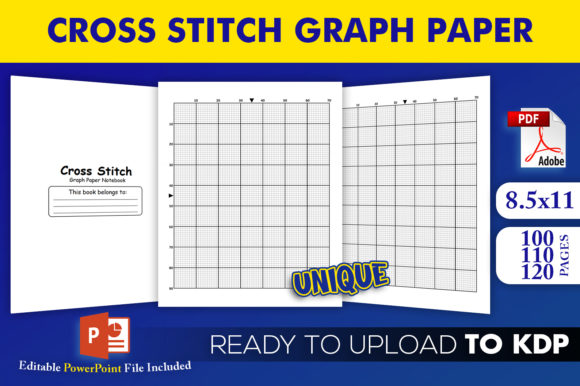
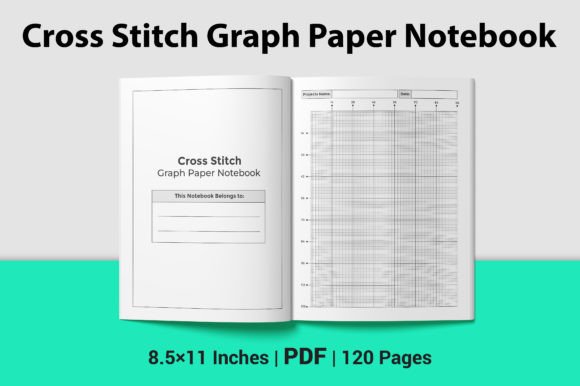
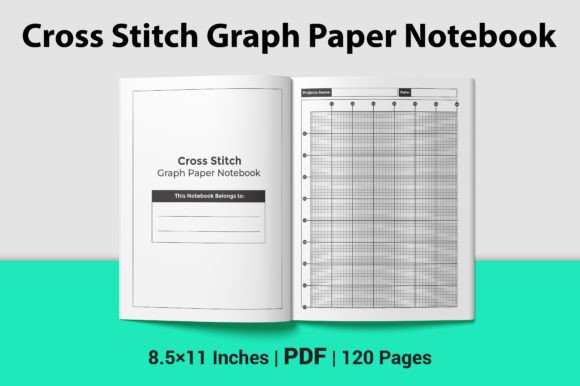
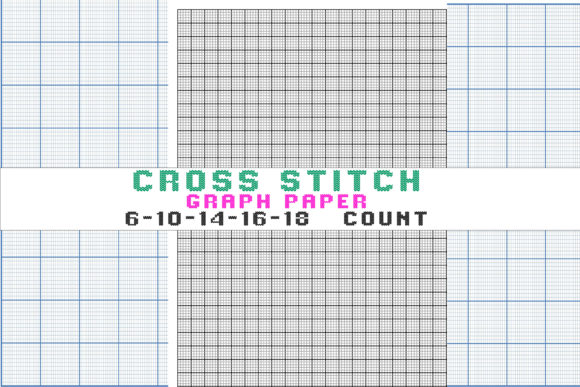
Opening the Cross Stitch Graph Paper files, the first thing that stands out is the intentional simplicity. As an embroidery designer working with small boutique brands, I immediately recognized the appeal of this design for a handmade, thoughtful aesthetic. The layout mimics traditional cross stitch grids, offering a subtle nod to vintage crafting while maintaining a modern, minimal structure.
The design feels inherently rustic yet playful, with a soft grid texture that reads more as a background accent than a dominant focal point. This makes it ideal for sweatshirts where subtlety and texture are key to a premium boutique feel.
Visual Placement on Sweatshirts and Hoodies
Considering the boutique sweatshirt project I’m currently developing, I envision this design working beautifully as a chest embroidery on oversized hoodies. Its neutral tone and open grid pattern allow it to blend into both light and dark fabrics without overpowering the garment.
- Dark Fabric: The design maintains clarity and contrast when paired with lighter thread colors, offering a crisp, boutique-ready finish.
- Pastel Sweatshirts: On soft pinks, blues, or creams, the grid adds a layer of depth without feeling busy—perfect for seasonal collections with a cozy, feminine edge.
- Oversized Hoodies: The linear nature of the Cross Stitch Graph Paper complements the relaxed silhouette, subtly reinforcing the garment’s handmade appeal.
For sleeve accents or back panel designs, this pattern could be resized or repeated to create a custom branded motif, especially effective for Etsy sellers looking to stand out in a crowded market.
Design Usability and Technical Considerations
From a technical standpoint, the inclusion of PPT, PDF, and JPEG files suggests this is a well-organized digital embroidery file package. However, since exact stitch count and hoop size aren’t specified, I’d recommend checking those details before production—especially when embroidering on thick sweatshirt fleece.
Thread color contrast will be critical to ensure the design remains legible. For a premium look, I’d suggest using a 2–3 thread color variation—especially on darker garments where the grid might otherwise fade into the fabric.
When working with stabilizer and stitch density, I’d advise using a medium-weight cutaway stabilizer to prevent puckering on thicker knits. The design’s open grid structure likely allows for flexibility in stitch density adjustments, which is a plus for commercial embroidery shops handling bulk custom apparel orders.
Commercial Readiness and Brand Integration
This design has the potential to elevate a small shop product from casual to curated. For boutique brands aiming to build a cohesive visual identity, the Cross Stitch Graph Paper can serve as a subtle signature element across multiple product lines—from sweatshirts to tote bags to printable mockups.
Its handmade presentation and nostalgic charm align well with current trends in slow fashion and artisanal branding. For Etsy sellers and digital crafters, this design offers a versatile asset that can be layered into product photography, lifestyle branding, and even packaging mockups.
From a buyer trust perspective, the use of a refined, cohesive machine embroidery design like this one signals attention to detail and professionalism—key differentiators in competitive online markets.
Final Thoughts: A Versatile Addition to Any Boutique Collection
In summary, the Cross Stitch Graph Paper is more than just a design file—it’s a branding tool with real-world application across a range of custom apparel and lifestyle products. Whether used as a chest embroidery on a neutral sweatshirt or as a repeated motif on seasonal hoodies, this design brings a touch of craft and warmth to any garment.
For small clothing brands and creative entrepreneurs, this is a smart, adaptable choice that balances aesthetics with practicality. Just be sure to verify technical details like file format compatibility, hoop size, and stitch count before production to ensure a smooth embroidery process.