Blackletter L Mini Embroidery: A Sharp, Stylish Initial for Real Projects
First Impressions: Bold, Refined, and Ready for Custom Work
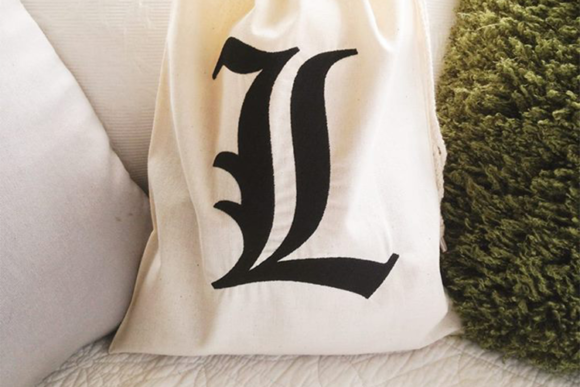
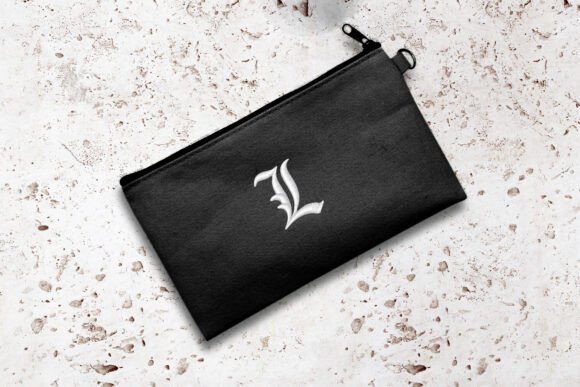
Opening the zip file for Blackletter L Mini Embroidery, the first thing that stands out is the clean, sharp structure of the letter L. It's a classic blackletter style—ornate but not over the top. The design feels like it was built for customization without overpowering the product it's stitched onto. Whether you're creating a boutique tote or a personalized baby onesie, this initial brings a strong visual identity without being too loud.
The design is minimalist in the sense that it's just one letter, yet it carries a bold presence. The blackletter style gives it a vintage, slightly edgy vibe, making it ideal for projects that aim for a touch of old-world charm or a modern twist on traditional lettering.
Real-World Use: From Sweatshirts to Patches
I recently used this design for a custom embroidered sweatshirt for a client who wanted a subtle but memorable initial on the chest. The L stitched out cleanly on medium-weight fleece, and even at 1.5 inches, it held its shape and definition. It's a great size for adding a personalized detail without taking over the garment.
Trying it on a tote bag, the L worked well centered above a front pocket or stitched subtly near the strap. For Etsy sellers or crafters making personalized totes, this design adds a clean, boutique-style finish. On a baby cap, the 1-inch size looked sharp—just enough to make a statement without being too big for a tiny head.
When stitched as a standalone patch, the L holds its own. I layered it onto a felt background using a simple satin border, and it gave the patch a polished, finished look. It’s not an applique design, but with a little creativity, it can be adapted into one.
Performance Across Fabrics and Sizes
Testing the design on different materials revealed some important insights. On stretchy cotton jersey, the letter kept its shape when hooped with a lightweight cutaway stabilizer. Without stabilizer, there was slight distortion, especially at the 2-inch size, so I’d recommend always using a stabilizer, especially for soft or stretchy fabrics.
On dark fabrics, the contrast was strong—especially with white or silver thread. For dark thread on light backgrounds, the satin stitch detail really popped. The fill stitches are dense enough to feel solid but not so thick that they added stiffness to the fabric. It’s balanced well for most machine embroidery scenarios.
One thing to watch for: on textured or thick fabrics like denim or heavy twill, the fine lines in the blackletter style can get lost. In those cases, a slightly larger size (2.5 inches) helped preserve the design’s clarity. The same goes for curved surfaces like caps—the letter needs enough definition to stay legible after stitching.
Where to Use It Carefully
While the Blackletter L Mini Embroidery is versatile, it’s not a one-size-fits-all solution. On very small hoop sizes (under 2.5 inches), the design can feel cramped, especially if you're trying to stitch it on a curved or layered garment. If you're planning to stitch it on a cap or a curved pillow edge, test it on a mock-up first.
Also, because of the fine lines in the lettering, this design may not perform well on thin or flimsy fabrics without proper stabilizing. Thin cotton or gauze can pucker easily, and the satin stitches might not lay flat. Stick to medium-weight cottons, knits, or stabilized linen for best results.
If you're selling embroidered items online, always test the design in both black and white mockups to see how it looks against different backgrounds. I found that on white fabric, the L looked crisp and modern. On black or navy, it took on a more dramatic, upscale feel—perfect for boutique branding or personalized gifts.
Design Value for Makers and Sellers
From a business perspective, this embroidery file has solid potential. It’s small enough to be versatile but distinctive enough to add value to your finished product. For Etsy sellers or small shop owners, a single letter like this can be the difference between a generic item and a personalized, customer-ready product.
When used thoughtfully, the Blackletter L Mini Embroidery boosts the perceived value of items like tote bags, baby clothes, or holiday gifts. It gives your work a professional edge and helps establish brand consistency, especially if you're using a signature initial in your product line.
For digital product sellers offering embroidery files or mockups, this design can serve as a sample asset that shows clean stitch performance and visual appeal. It’s not overly complex, so it's beginner-friendly, but it still offers enough character to appeal to experienced embroiderers.
Designer Notes: Practical Tips Before Stitching
- Test on scrap fabric before stitching on your final product, especially if you're using a new fabric or thread color.
- Check stitch density—make sure the satin and fill stitches are tight enough to hold their shape but not so dense that they cause puckering.
- Confirm hoop size matches your machine and the design size you're using.
- Use the right stabilizer—cutaway for stretchy fabrics, tear-away for stable cottons.
- Review thread color contrast on both light and dark backgrounds to ensure visibility.
- Inspect small details like corners and lines to make sure they stitch cleanly without distortion.
- Verify licensing if you plan to sell finished items or include this in digital product bundles.
Final Thoughts: A Sharp, Practical Initial with Real-World Appeal
In the world of embroidery design, a single letter might seem simple, but the Blackletter L Mini Embroidery proves that simplicity can be powerful. It’s a clean, stylish initial that works across a wide range of products—from baby clothes to boutique accessories. It’s not just a letter; it’s a branding tool, a design accent, and a personalization option all in one.
For crafters, Etsy sellers, and digital product creators, this design is worth keeping in your embroidery file collection. It’s adaptable, professional-looking, and easy to integrate into a variety of projects. Just remember to test it properly, choose your fabrics wisely, and think about how it fits into your overall product vision.