Child Paintbrush Embroidery Design: A Practical Review for Real Projects
First Impressions: Cute, Playful, and Perfectly Sized for Kids’ Crafts
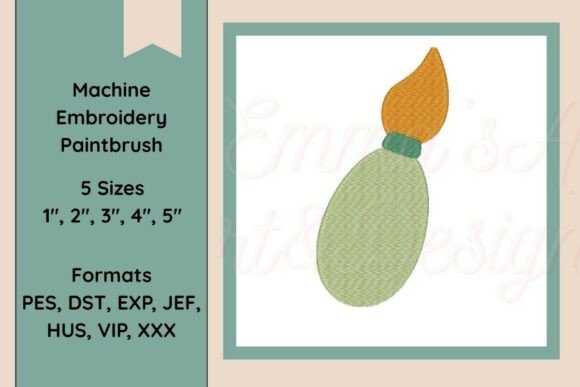
The Child Paintbrush Embroidery Design immediately stands out with its charming, minimalistic aesthetic. It captures the essence of childhood creativity with a soft, approachable motif. As someone who regularly reviews embroidery files for small business clients and handmade Etsy sellers, I appreciate how this design balances simplicity with visual appeal. The paintbrush shape is recognizable without being overly detailed, making it ideal for children’s clothing, accessories, and classroom-themed items.
From a design standpoint, the layout feels balanced and well-proportioned. There’s no unnecessary complexity that could complicate stitching, which is a plus for beginners or for those producing items at scale. The style leans toward whimsical rather than formal, which makes it a natural fit for baby items, toddler apparel, and back-to-school themed products.
Real-World Use: From Tote Bags to Sweatshirts
I recently tested this design on a custom embroidered tote bag intended for a local preschool boutique. The paintbrush motif stitched cleanly and crisply on medium-weight cotton canvas. The satin and fill stitches held up well under tension, and there were no noticeable puckering issues when using a lightweight stabilizer. This is important when working with handmade products that may not go through industrial-grade machines.
When I moved on to a personalized sweatshirt project for a client’s twins, the design scaled nicely. It maintained its clarity even after being slightly enlarged to fit the sleeve area. The stitch density felt appropriate—dense enough to look professional, but not so tight that it created fabric distortion. For small shop owners or Etsy sellers, this kind of flexibility is essential when adapting a single design across multiple product types.
Where It Shines: Versatility in Children’s Craft Projects
The Child Paintbrush Embroidery Design works especially well for baby embroidery, embroidered patches, and back-to-school themed items. I tried it on a cotton apron for a young art enthusiast, and the result was both playful and polished. The design’s simplicity makes it easy to coordinate with other design elements like names, dates, or coordinating applique shapes without overwhelming the overall look.
It also performed well on a personalized kitchen towel, which I stitched using a contrasting thread for a pop of color. The design’s clean lines and minimal detail made it easy to pair with other elements like monograms or seasonal accents. For crafters who sell holiday embroidery or boutique-style baby gifts, this design offers a strong foundation that’s easy to customize.
Where to Use It Carefully: Fabric and Fit Considerations
While the design is versatile, there are some limitations to be aware of. I noticed that on stretchy knit fabrics, especially when stitched without a proper stabilizer, the satin stitches had a tendency to pucker slightly. This could affect the final appearance on t-shirts or baby onesies unless the fabric is well-prepped and hooped correctly.
The motif is also fairly narrow, so if you’re planning to use it on curved surfaces like baseball caps or smaller hoop sizes, you’ll want to test it first. The brush shape can get slightly distorted if not centered properly in a smaller hoop. I’d recommend using a printable mockup or digital preview file to visualize placement before stitching.
Dark fabric backgrounds also revealed a small detail issue—some of the inner edges of the brush weren’t as crisp as I’d like. This could be due to thread color contrast or stitch coverage, so it’s worth testing in black and white mockups or on lighter fabric first.
Impact on Product Value and Customer Appeal
One of the key things I look for in a design is how it contributes to the overall appeal of the finished product. The Child Paintbrush Embroidery Design adds a touch of charm without being too busy. It elevates a simple tote bag or sweatshirt into a personalized, handmade item that feels intentional and well-made.
For small business owners, this kind of design helps build brand consistency—especially if you're curating a line of children’s craft-themed items. Customers respond well to recognizable, cohesive design elements, and this embroidery file offers that without being overused in the market. It also enhances giftability, especially for baby showers, birthdays, or classroom-themed gifts.
Designer Notes: Practical Tips for Using This Design
Before diving into your project, here are a few practical steps I recommend:
- Test on scrap fabric—especially if you're working with stretchy or textured materials.
- Check thread color contrast to ensure details remain visible on both light and dark backgrounds.
- Review stitch density to avoid puckering or distortion on delicate fabrics.
- Confirm hoop size compatibility before stitching on curved or small surfaces like caps.
- Inspect small details under magnification to make sure the brush motif stitches cleanly.
- Use proper stabilizer—especially for stretchy or thin fabrics.
- Verify licensing if you're planning to sell finished items or digital embroidery files.
If you're preparing a commercial embroidery project or digital product listing, I also suggest testing the design in black and white mockups and comparing it across multiple fabric types. This helps ensure consistency and visual clarity for buyers who may be viewing your product online.
Final Thoughts: A Solid Choice for Kids’ Themed Embroidery
Overall, the Child Paintbrush Embroidery Design is a well-executed, practical option for small shop owners, Etsy sellers, and hobbyists who want to create child-friendly, craft-themed items. It stitches cleanly, adapts well to different fabric types, and adds a charming visual element to a variety of handmade products.
Whether you're preparing personalized gifts, boutique-style apparel, or back-to-school merchandise, this design offers the flexibility and simplicity that makes it a reliable addition to your embroidery project toolkit.