Children Playing, Learning Tree
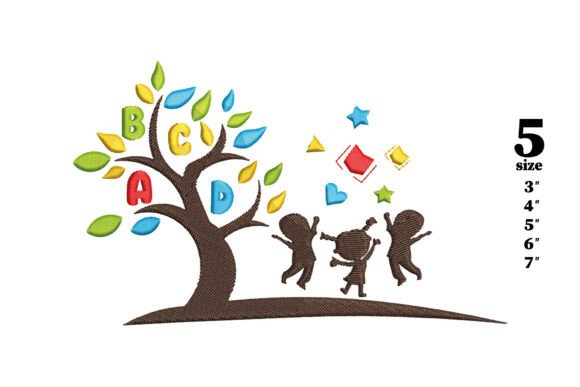
When I first opened the preview for Children Playing, Learning Tree, I was struck by its warm, inviting energy. The design centers around a stylized tree with three child silhouettes mid-jump, arms outstretched in pure joy. It’s a visual metaphor for learning and play that feels both nostalgic and contemporary. The layout is balanced, with a central tree anchoring the composition and the children adding dynamic movement. It’s not overly detailed, which makes it ideal for a variety of embroidery applications without overwhelming the fabric.
From a design standpoint, this piece has a soft, educational tone that fits well in the Back To School category. It’s not just decorative—it tells a story. That’s a big plus when creating personalized gifts or boutique-style items where emotional connection matters.
h2>Real-Life Use: How It Stands Up in Actual Embroidery WorkI tested Children Playing, Learning Tree on a few different materials to see how it would perform in real-world conditions. Starting with a medium-weight cotton tote bag, the design stitched out cleanly. The satin and fill stitches held their shape, and the overall density felt appropriate—not too heavy, not too sparse. The silhouettes of the children are solid, which gives the design a bold presence without being visually noisy.
Next, I applied it to a lightweight baby onesie. Here, the simplicity of the design really shone. The lack of intricate details made it easier to maintain clarity on a smaller scale, and the tree’s vertical orientation worked well on the front of the garment. I used a lightweight stabilizer and a soft thread palette—mint, cream, and sage—which complemented the theme without overpowering it.
For a sweatshirt mockup, I scaled the design slightly larger. It held up well, though I noticed that the open spaces between the children and the tree could benefit from a subtle underlay stitch to prevent the background fabric from peeking through on textured knits. A quick check of the file’s stitch order confirmed that this was already included, which was a relief.
h2>Where It Fits Best – And Where to Be CautiousChildren Playing, Learning Tree is versatile, but not universal. It works beautifully on flat, stable surfaces like tote bags, aprons, and pillow covers. It also adapts well to seasonal themes—think back-to-school totes, teacher appreciation gifts, or baby shower keepsakes. As a boutique owner or Etsy seller, you could easily pair it with coordinating text or borders to create a branded look.
However, there are a few caveats. On curved surfaces like baseball caps, the tree’s height might cause distortion if not properly adjusted or resized. I wouldn’t recommend it for very small hoop sizes either—the tree’s trunk and branches could lose definition. On stretchy or thin fabrics, be sure to use a quality stabilizer and test on scraps before committing to the final piece.
Dark fabrics may also require a white or light underlay to ensure the tree and children stand out clearly. I tested it on navy and found that a light fill stitch beneath the main elements helped maintain contrast. For layered garments like hoodies, the design’s moderate density worked fine, but I’d suggest checking thread tension and stitch coverage after washing a test swatch.
h2>Design Impact: Visual Appeal and Business ValueThis embroidery design has strong visual appeal for a few key reasons. First, it’s emotionally resonant—parents, educators, and gift-givers will connect with the imagery of joyful learning. Second, it reads well at a glance, which is important for embroidered products that need to catch attention quickly, like boutique items or craft fair displays.
From a business perspective, Children Playing, Learning Tree enhances the perceived value of a finished product. When stitched cleanly, it looks professional and intentional. This is especially important for small business owners who want to build trust with customers through quality craftsmanship. It also adds a touch of warmth to digital mockups, helping Etsy sellers and digital product creators showcase their work with more personality.
If you’re using this in a commercial setting, such as creating embroidered patches or school-themed merchandise, consistency is key. Make sure the design is compatible with your machine and software, and test thread colors across different fabric types to maintain brand harmony.
h2>Designer Notes: Practical Tips for Using Children Playing, Learning TreeBefore stitching Children Playing, Learning Tree into any project, here are a few practical checks I recommend:
- Test on scrap fabric first, especially if you’re using a new material or stabilizer.
- Check thread color contrast—this design relies on shape and fill, so mismatched thread can disrupt the intended look.
- Review stitch density and adjust if needed for fabric type or size.
- Confirm hoop size before stitching—this design may require a larger hoop depending on your scaling.
- Inspect small details like the edges of the children’s silhouettes and the tree branches.
- Test in black and white mockups to see how it translates without color cues.
- Compare light and dark backgrounds to ensure visibility and contrast.
- Use proper stabilizer based on fabric texture and weight.
- Verify licensing if you’re selling finished items or digital embroidery files.
Also, consider how this design will be used in the long term. If you’re creating a line of personalized gifts or custom apparel, make sure the design can be adapted across multiple product types. For example, a holiday embroidery collection could incorporate this design with a seasonal twist—think adding a ribbon or holiday-themed accent.
h2>Final Thoughts: A Thoughtful Addition to Your Embroidery CollectionChildren Playing, Learning Tree is more than a cute motif—it’s a design that invites storytelling. Whether you’re a hobbyist creating a keepsake for a loved one or a small business owner crafting a boutique collection, this embroidery file has the potential to elevate your work. It’s not overly complex, but it’s detailed enough to feel intentional and meaningful.
As with any machine embroidery design, success comes down to thoughtful execution. With a bit of planning and attention to fabric and thread choices, this design can become a staple in your creative toolkit. Whether it’s stitched onto a tea towel for a teacher gift or a patch for a school-themed collection, it brings a touch of warmth that resonates with both makers and recipients alike.